
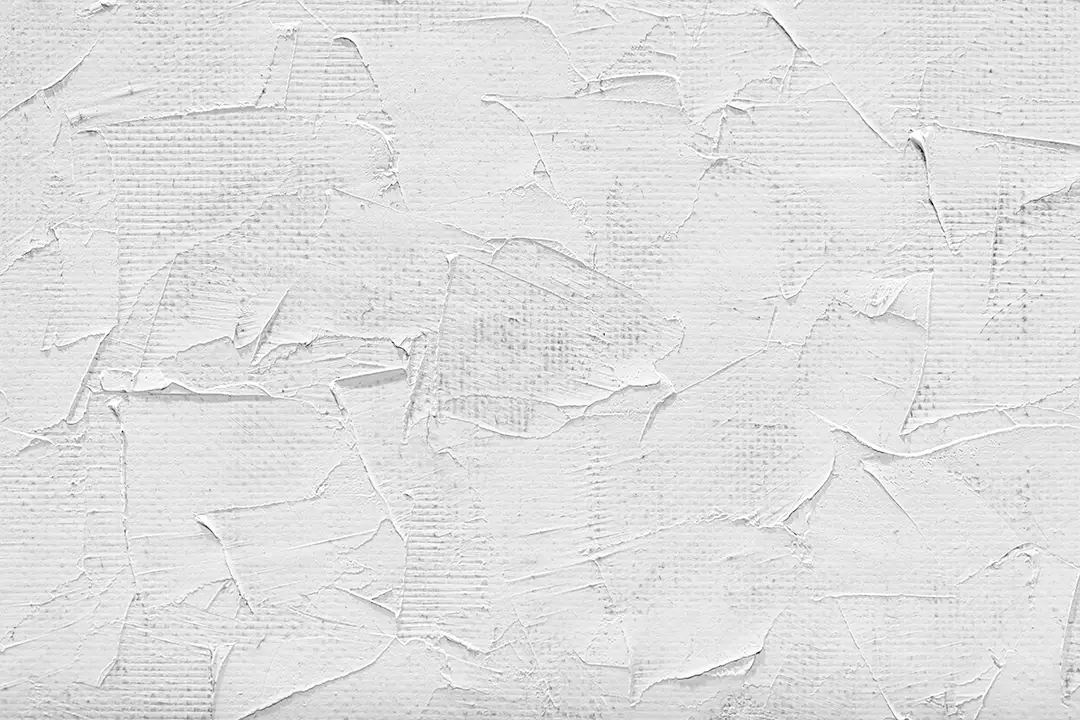
For artist Ray Adams, texture isn’t just a technique; it’s an essential part of his artistic voice. Through layered applications, unexpected tools, and a fearless approach to materials, he creates works that are just as tactile as they are visual. Let’s explore how texture plays a crucial role in abstract art and why it has the power to transform the way we connect with a painting.
Texture has a way of making abstract art feel more alive. It creates movement, depth, and energy that make each piece unique. Sometimes it’s subtle—a fine grain from brushwork or a delicate layering of pigment. Other times, it’s bold and raw, with thick impasto strokes, drips, or ridges that demand attention.
Ray Adams embraces this philosophy, using texture to build emotion within his work. Instead of relying on hyper-realistic imagery, he lets the surface itself become part of the story. The roughness, the smooth transitions, the unexpected peaks and valleys—all of these elements work together to create something you don’t just see, but almost feel with your eyes.
Creating texture in abstract art isn’t about following a formula—it’s about experimentation. Ray Adams is known for pushing the boundaries with his process, using unconventional tools like palette knives, trowels, and even found objects to apply and manipulate paint. Here are some of the key techniques he uses to achieve his signature layered effect:
Texture changes the way we connect with art. A highly textured painting can feel intense, urgent—like it’s demanding to be understood. Softer, layered textures can be more meditative, inviting slow exploration.
Adams’ work often combines both—contrasting thick, expressive gestures with softer, blended moments. This creates a push and pull, drawing the eye across the canvas and inviting interpretation.
Abstract art, by nature, is open-ended. But texture? It makes the experience physical. It turns a painting into something you don’t just view, but interact with—even if just in your mind.
Texture isn’t just a stylistic choice—it’s a language. In abstract art, it adds weight, emotion, and movement, allowing artists like Ray Adams to tell stories without words. His work invites you to lean in, take a closer look, and experience the depth beneath the surface.
If you’re drawn to artwork that demands to be felt as much as seen, explore Ray Adams’ latest pieces at Ray Adams Art. You just might find your next favorite textured masterpiece.